Services
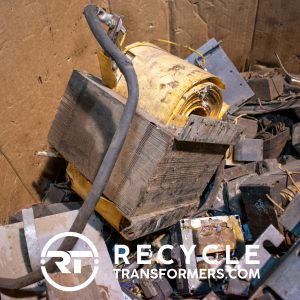
Why Is Recycling Transformers Important?
In our lifetime, electricity has formed to into a significant tool for ordinary use.
With care and management, a transformers normal life expectancy is around 20 to 30 years.
Electrical devices, for instance, transformers are to modify an alternating current voltage that runs from one electric circuit then onto the following through electromagnetic induction. The size of transformers can vary from the size of a quarter to the size of a small car.
Transformer recycling results in the recovery of two or more coils of wire which are made of valuable material, for instance, copper and aluminum. The way process of recycling transformers ensures that the old transformers removal is safe and that the recoverable parts will be reusable.
There are three main transformers which incorporate copper (large), copper (small) and aluminum. Scraps consist of copper or aluminum windings encompassing a steel core.
Copper transformers are found in appliances like microwaves, also in power supply boxes and in power line manufacturing cast offs. These transformers are normally a higher source of energy which is in use in different electrical systems and machines.
Aluminum transformers will often be found with electrical systems and will typically be mistaken as copper transformers.
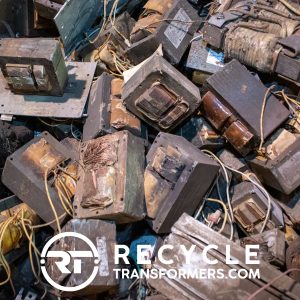
Recycling Transformers
Recyclers will for the most part recycle transformers once utility companies remove them from electric poles. Transformer recycling also occurs in industrial applications, factories and utility factories.
Transformers are electrical contraptions which are made to modify an alternating current voltage that runs beginning with one electric circuit then onto the following through electromagnetic induction.
There are three main transformers which are copper (large), copper (small) and aluminum.
Copper transformers are commonly a higher source of energy that different electrical systems and machines use to function. Recycling transformers like these are commonly very heavy in light of the steel outer casing.
Moreover, aluminum conductors are larger than copper conductors, yet they are lighter.
How to Recycle Transformers: The Process
Transformers are important components to several items; for instance, televisions, circuit boards, tools, machines and more.
A transformer is a passive electrical device that transfers electrical energy beginning with one electrical circuit then onto the following, or multiple circuits.
People who recycle transformers can earn money as the need for transformers is high a result of their large weight from steel casing and abundance of copper or aluminum wiring.
Transformers can vary in size and variety depending on the sort of device they are from and what they are used for. Recyclers commonly deliver material from transformers on pallets wrapped with stretch wrap, metal or plastic strapping, or secured with ties.
Transformer recycling begins when the transformers arrive at the facility. We can disassemble, sort and clean oil transformers and process recyclable components. The process for recycling transformers considers the returning of secondary raw materials into the production process. During the process, tagging equipment is for tracking and evaluation.
In fact, PCB oil can be found in transformers during the equipment and oil testing which is carcinogenic and damaging to the environment. Transformer recycling involves oil processing and recycling as well.
Afterwards, the sorting of waste into components allows the ability to manage each component as a resource. Aluminum, steel, copper and similar substances are recyclable, while the rest is in accordance with the law and the best quality. The last stage in recycling transformers is that the tank is recycled or reused.
Electrical transformers can require hazardous waste removal as a result of the tremendous amount of current applied to the primary coil and induced in the secondary coil.
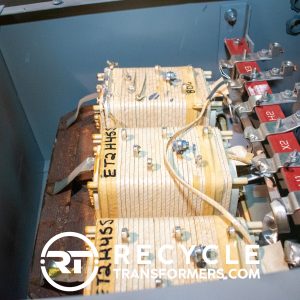
It is not irregular for transformers to come into the facility already dismantled. To do so, first remove the transformer from the device or machine. A magnet can help find which parts are steel on the outside. Then, transformers have two groups of coils – primary and secondary – that connect with magnetic fields which act as conductors.
When you determine whether the wire on the inside is copper or aluminum, separate the wires.